
CBP Social Media Vetting: How New U.S. Travel Screening Rules Could Impact International Travellers
According to recent reporting from Skift, the U.S. Customs and Border Protection (CBP) agency is reconsidering its controversial proposal that would require Visa Waiver Program travellers to provide up to five years of social media history during the ESTA application process.
TRAVEL
Powerful Digital Marketing
5/23/20264 min read
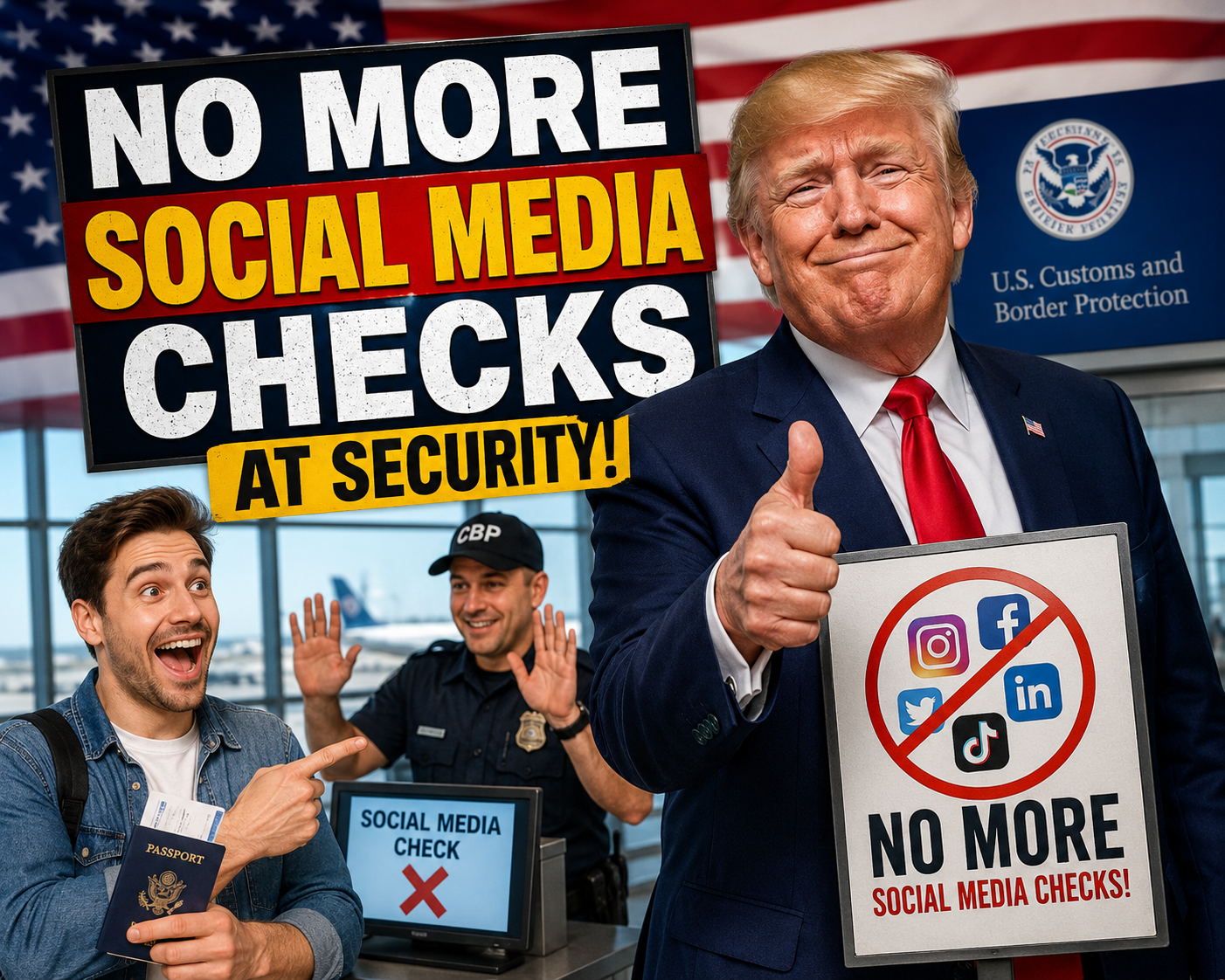
U.S. Travel Under Digital Scrutiny: What CBP’s Revised Social Media Vetting Proposal Means for Global Travellers
The future of international travel to the United States is changing fast and this time, social media is at the centre of the conversation.
According to recent reporting from Skift, the U.S. Customs and Border Protection (CBP) agency is reconsidering its controversial proposal that would require Visa Waiver Program travellers to provide up to five years of social media history during the ESTA application process. After widespread criticism from travellers, tourism organisations, and privacy advocates, the agency now appears ready to scale back the proposal.
But while the revised approach may be less aggressive, the bigger story remains the same: digital identity is becoming part of border security.
For travel brands, international visitors, immigration professionals, and tourism businesses, this shift signals a new era in how travellers are screened, evaluated, and perceived before they even board a plane.
What Was the Original CBP Social Media Vetting Proposal?
Under the initial framework, travellers would have been asked to provide:
Five years of social media identifiers
Phone numbers used over five years
Email addresses spanning up to ten years
Family member information
Biometrics including facial recognition and fingerprints
The proposal stemmed from broader federal directives focused on “maximum vetting” for foreign visitors.
The backlash was immediate.
Travel organisations warned the policy could damage inbound tourism, increase traveller anxiety, and create unnecessary friction for business travelelrs, tourists, researchers, and conference attendees. Privacy experts also raised concerns over surveillance, free speech, and data misuse.
Why CBP Is Revising the Policy
According to CBP officials speaking at the U.S. Travel Association’s IPW 2026 conference, the agency is now considering a more targeted system instead of applying enhanced vetting to every traveler.
Rather than collecting social media data from all ESTA applicants, CBP may introduce a “risk assessment” model that only triggers deeper screening for certain travellers.
This is a significant pivot.
The revised approach acknowledges what the travel industry has argued for months: overly intrusive travel requirements can discourage international visitors from choosing the United States altogether.
And timing matters.
The U.S. tourism industry is already facing challenges tied to rising travel costs, visa delays, geopolitical tensions, and concerns around traveler experience. The possibility of mandatory social media disclosure only intensified fears that America could appear less welcoming to global travellers.
How Social Media Screening Could Impact International Travel
Even if the final proposal becomes narrower, the long-term implications are substantial.
1. Digital Footprints Are Becoming Travel Credentials
Travellers are increasingly judged not only by passports and visas, but by their digital presence.
Social media activity may soon become part of the broader risk analysis process used by immigration authorities worldwide. Governments already analyse online behaviour for visa applications in some cases, but extending this to visa-free travel programs marks a major shift.
For travellers, this means online behavior could influence mobility in ways many people never anticipated.
2. Travel Planning Will Become More Complex
One of ESTA’s main advantages has always been simplicity.
The current system allows eligible travellers to obtain approval quickly with minimal friction. Expanding background checks, digital disclosures, and identity verification risks turning a fast authorization process into something much closer to a traditional visa application.
That creates uncertainty for:
Business travellers
Event attendees
Academic researchers
Remote workers
Tourists planning short-notice trips
For international conferences, sporting events, and tourism campaigns, additional entry complexity can directly reduce participation.
3. Privacy Concerns Are Growing Globally
Critics of the proposal argue that social media vetting creates serious privacy and civil liberties concerns.
Questions remain unanswered around:
How social media data would be analysed
Whether AI tools would be involved
How context, sarcasm, humour, or political speech would be interpreted
How long traveler data would be stored
Several advocacy groups and lawmakers have warned that vague screening policies could lead to inconsistent enforcement or ideological bias.
In an age where online identity is deeply personal, many travellers see mandatory digital disclosure as invasive rather than protective.
What This Means for the U.S. Tourism Industry
The tourism impact could be bigger than many policymakers expect.
The U.S. remains one of the world’s most important travel destinations, but global competition is intensifying. Countries across Europe, Asia, and the Middle East are aggressively investing in tourism growth, streamlined visas, and frictionless travel experiences.
Meanwhile, additional screening proposals risk sending the opposite message.
According to Skift’s reporting, industry leaders worry these measures could weaken America’s recovery in international tourism and damage perceptions of accessibility.
For tourism brands and destination marketers, perception matters as much as policy.
Travellers often choose destinations based on:
Ease of entry
Safety perceptions
Political climate
Digital privacy concerns
Overall welcome experience
Even proposals that never fully materialise can influence traveler sentiment.
Could Other Countries Follow the Same Model?
Possibly.
As border security technology evolves, governments worldwide are experimenting with AI-assisted screening, biometric verification, and digital identity systems.
The CBP proposal may become part of a broader global trend where:
Online identities are integrated into immigration systems
Predictive risk scoring becomes more common
Travellers face increased digital transparency requirements
This creates important conversations around ethics, privacy, security, and the future of freedom of movement.
Final Thoughts: The Future of Travel Is Becoming More Digital
CBP’s decision to soften its social media vetting proposal suggests officials recognise the economic and reputational risks tied to overly aggressive screening policies.
Still, the broader direction is clear.
International travel is entering an era where digital behaviour, online identity, and data-driven screening will likely play a larger role in border security.
For travellers, tourism businesses, and global mobility professionals, adapting to this shift will become increasingly important.
The key challenge moving forward will be balance:
How can governments strengthen security without damaging privacy, slowing tourism growth, or discouraging legitimate international visitors?
That question may define the next decade of global travel policy.


ADDRESS
The Powerful Group Limited
124 City Road
London
United Kingdom
EC1V 2NX
WORKING HOURS
Monday - Friday 9:00 AM - 6:00 PM
Saturday - Sunday 8:00 AM - 12:00 PM
Want to Call? Ask our Powerful Bot for the Number